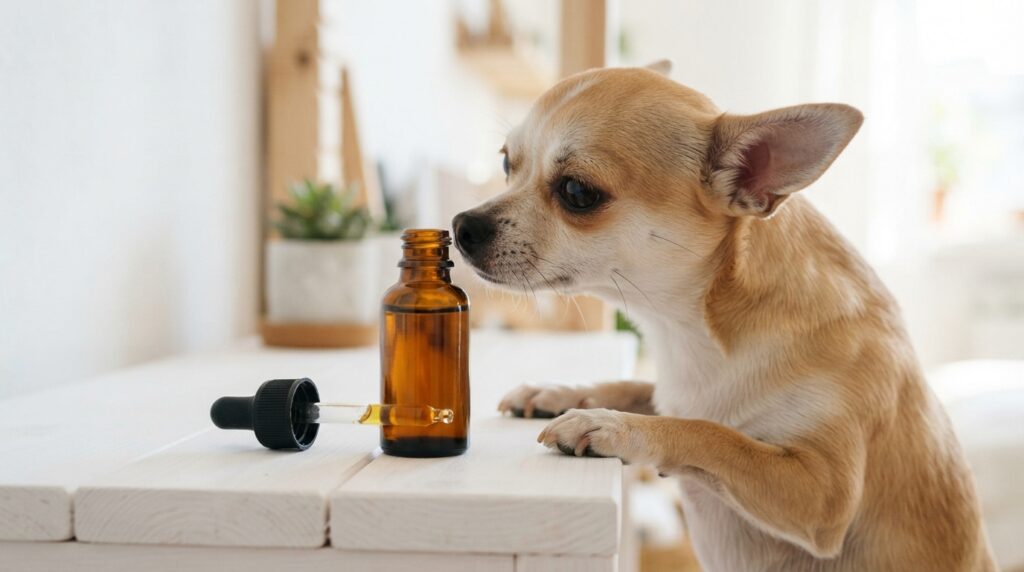
Dogs hide pain well, and owners who watch an older dog slow down on the stairs often go looking for help. Plenty of them end up in front of a shelf of CBD oil for pets. The products are easy to buy, and the science behind them is much thinner than the packaging suggests.
What the FDA and Vets Say
The FDA reports that no animal drugs containing CBD are approved, conditionally approved, or indexed. The only cannabis-derived drug it has approved is Epidiolex, which is made for humans. Under the Animal Medicinal Drug Use Clarification Act of 1994, veterinarians can lawfully prescribe approved human drugs to animals in an extralabel manner, so a vet could prescribe Epidiolex. That is a prescription decision, and it has no connection to the bottles sold in pet stores.
Companies that market CBD for pets often name conditions such as anxiety, seizures, and joint pain. The FDA has not evaluated those claims. In 2025 the agency opened a request for public comments, especially from veterinarians, on cannabis-derived products for animals. Its notice described dogs as the largest group of pets given CBD, mostly for joint pain.
For owners, the practical effect is that vets are often cautious. Many cannot recommend a specific product, though most are willing to discuss the question and monitor a pet that already takes one.
What the Research Shows
Studies in dogs
The research that exists is small. Two of the most cited trials are summarized below.
| Study | Animals | Dose used | What it reported |
|---|---|---|---|
| Frontiers in Veterinary Science, 2018 | 16 dogs with osteoarthritis | 2 mg/kg twice daily | Owners and vets reported less pain and more activity, and a liver enzyme (ALP) rose in some dogs |
| Journal of the American Veterinary Medical Association, 2019 | 26 dogs with epilepsy | 2.5 mg/kg twice daily | Seizure results were mixed, and ALP rose in the CBD group |
Both used body-weight dosing. For a 20 kg dog, 2 mg/kg works out to 40 mg per dose, or 80 mg across two doses. That figure describes what a study used, not a recommendation, and it shows why a dose that suits one animal does not carry over to another.
Why owners may see more than the data
Owner-reported improvement can run ahead of objective measures. Researchers call this the caregiver placebo effect: a person who expects a treatment to work tends to notice good days and overlook bad ones. Good studies in dogs track both owner reports and measurable signs, and the two do not always agree.
Cats and other pets
Research in cats is sparse. Cats process many compounds differently from dogs, so results in one species do not transfer cleanly. For cats, rabbits, birds, and horses, the honest summary is that very little data exists.
Safety and Shopping Notes
Reported side effects
Trials and clinical reports in dogs have noted:
- Raised liver enzymes (ALP), which a vet can check with bloodwork
- Soft stool or diarrhea
- Sleepiness
- Reduced appetite in some animals
Because liver enzymes rose in both trials above, a vet may suggest baseline and follow-up blood tests for a dog that takes CBD regularly.
THC and other hazards
THC is toxic to dogs. Signs of exposure include wobbliness, dribbling urine, drooling, and vomiting, and an emergency vet should hear about them promptly. Full spectrum products carry trace THC, and accidental exposure often comes from human edibles, such as brownies left on a counter.
Flavored treats add their own risks. Xylitol and chocolate are both toxic to dogs, so the full ingredient list matters as much as the CBD content.
Quality problems
Pet CBD products do not face the controls that apply to drugs. Coverage of the category has described animals harmed by contaminated or spoiled products. A few checks narrow the odds:
- A batch-specific lab report from an independent lab, with potency, THC, heavy metals, pesticides, and residual solvents
- A product made for animals, with the serving listed by body weight
- A short, clear ingredient list with no sweeteners such as xylitol
- A carrier oil the pet tolerates
- A batch number on the bottle that matches the report
Talking to the vet
Bring the bottle and the lab report to the appointment. Mention every medicine and supplement the animal takes, because CBD can change how the liver handles other drugs, including those for seizures and pain. Start with the vet’s guidance on amount and timing, and track appetite, energy, stool, and mobility in a notebook so changes show up clearly.
A pet that seems to be in pain needs a diagnosis first. Joint pain can be arthritis, but it can also be an injury or another condition that CBD would not touch.
Final Thoughts
No CBD product is FDA-approved for animals, and the studies that exist are small, with liver enzyme increases showing up in dogs. Owner impressions of improvement can be stronger than measured results. THC exposure, xylitol in treats, and contaminated products are the practical hazards. A conversation with a veterinarian, a batch-specific lab report, and careful notes give an owner the best footing.